The Farm Lodge is located in Port Alsworth, the headquarters for Lake Clark National Park and Preserve. We offer access to the remotest parts of Lake Clark National Park by using a variety of transportation.
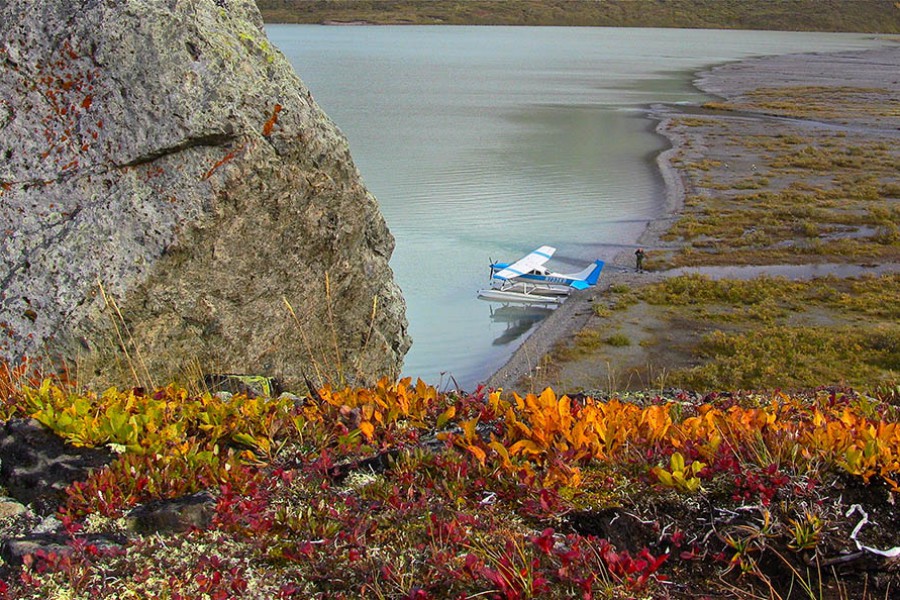
Lake Clark Air and The Farm Lodge offer floatplane access to numerous remote lakes in Lake Clark National Park, including Twin Lakes, Turquoise Lake, Telaquana Lake, Portage Lake, Kijik Lake, and many more. These mountainous lakes are ideal locations for visiting on our guided day trips or great destinations for guided or unguided camping and hiking.
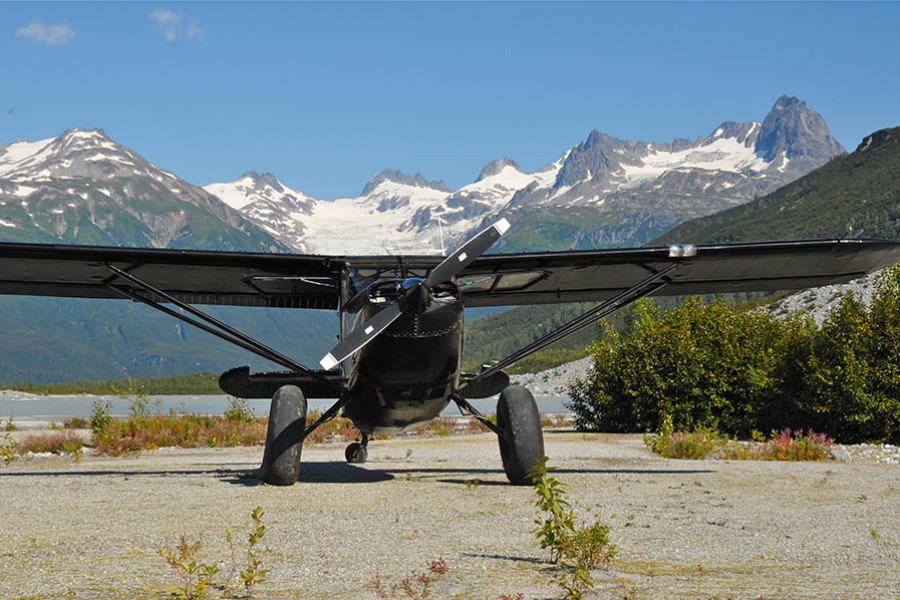
Our special bush-equipped wheelplanes offer another unique means of access to places such as the Lake Clark Pass, the Revelation Mountains, the Bonanza Hills, and the western coast of Cook Inlet.
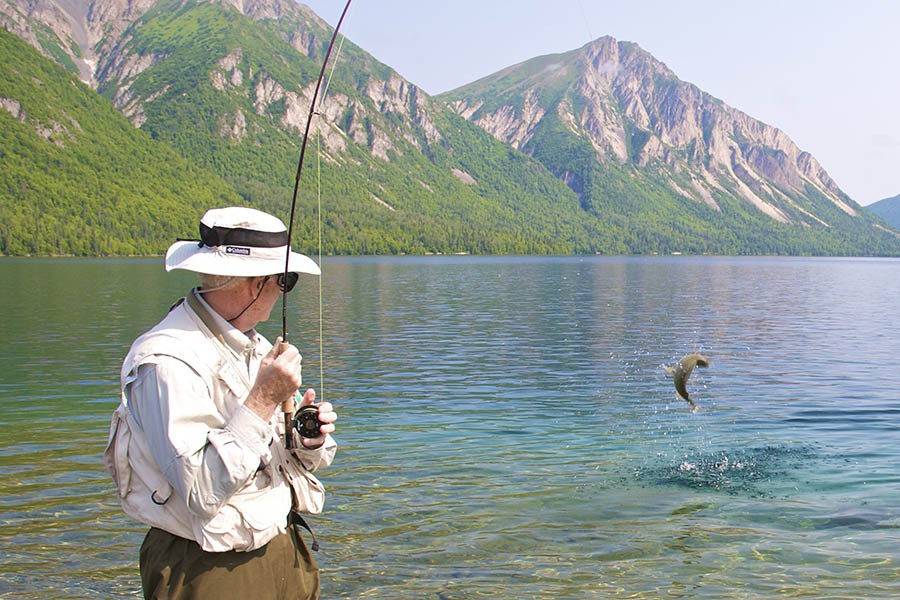
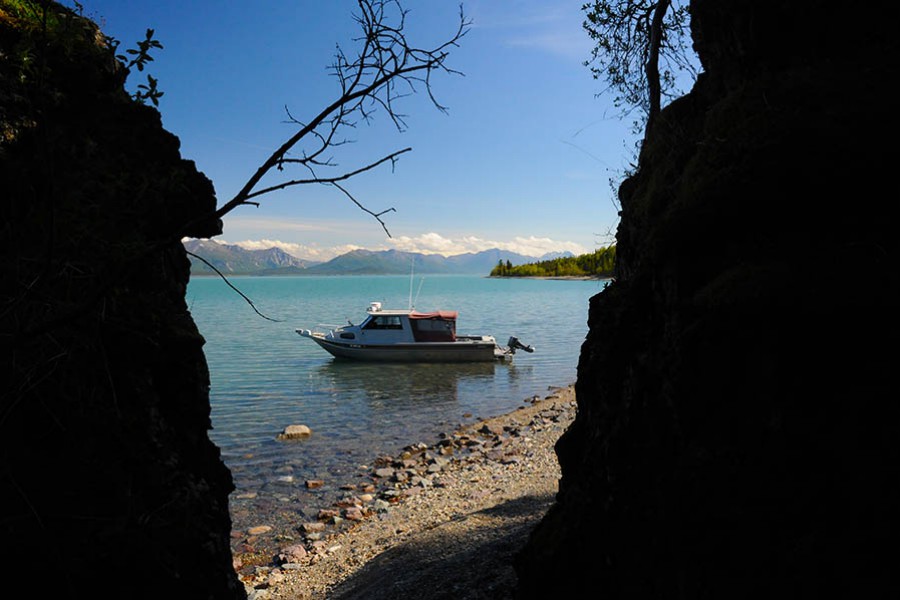
The Farm Lodge also offers guided boat tours on Lake Clark for sightseeing, photography workshops, and catch-and release fishing.
The following is a brief overview of Lake Clark National Park provided courtesy of National Park Service, U.S. Department of the Interior.
Lake Clark National Park and Preserve is a composite of ecosystems representative of many regions of Alaska. The spectacular scenery stretches from the shores of Cook Inlet, across the Chigmit Mountains, to the tundra covered hills of the western interior. The Chigmits, where the Alaska and Aleutian Ranges meet, are an awesome, jagged array of mountains and glaciers which include two active volcanoes, Mt. Redoubt and Mt. Iliamna. Lake Clark, 40 miles long, and many other lakes and rivers within the park are critical salmon habitat to the Bristol Bay salmon fishery, one of the largest sockeye salmon fishing grounds in the world. Numerous lake and river systems in the park and preserve offer excellent fishing and wildlife viewing.
Lake Clark National Park and Preserve was set aside to maintain its wilderness qualities. It was also established to protect a portion of the Bristol Bay watershed for the perpetuation of the Sockeye salmon fishery. Four of the five biotic communities found in Alaska are within Lake Clark National Park and Preserve. A visit to Lake Clark is an experience that will afford you a rare opportunity in today's world, the opportunity to experience to solitude and grandeur in the same moment. Lake Clark National Park and Preserve belongs to all of us, past, present and future generations. Everyone is responsible for protecting it. Continuously inhabited since early prehistoric times, this region nevertheless remains wild and sparsely populated by humans. Its several ecosystems suggest many diverse regions across Alaska. Aircraft provide primary access, but recreation opportunities are varied and plentiful.
Please visit our Packages page to check out the pre-designed packages that include visits to Lake Clark National Park or request a Custom Package that contains the activities you desire
book today!Reservations
Full payment is due in order to lock in a reservation. Payments are not refundable for any reason, including medical or weather related cancellations. Lake Clark Resort and The Farm Lodge will always do our best to provide a safe and enjoyable experience, but we encourage you to purchase a trip insurance policy for any unforeseen or unplanned cancellations. If you are planning a visit, please be aware that you can lock in the current rates on a future trip by making your payment now. Prices are subject to change at any time prior to a reservation deposit being received. Once payment is made, prices are locked in for your stay. Call 888-440-2281 or visit our Information and Pricing Request Page now to make your reservation.
Port Alsworth, Alaska 99653
The Farm Lodge 907.781.2208 & 888.440.2281
Lake Clark Air 907.278.2054 & 800.662.7661
E-Mail glenjr@lakeclarkair.com
Follow Us On Facebook